
.png?width=48&height=48&name=Group%201%20(3).png)























27 August, 2026

Sugar and Children’s Behaviour: Healthier Choices Explained
Key Highlights
- Research does not show that sugar consumption directly causes hyperactive behaviour in most children.
- The common association between sweets and behaviour often comes from exciting settings, not sugar alone.
- Some refined sugar can affect blood sugar, which may briefly change activity levels in some kids.
- There is no conclusive evidence linking sugar to attention deficit or hyperactivity disorder.
- Health experts still suggest limiting sugar for better nutrition, dental health, and obesity prevention.
Introduction
Many parents notice a pattern: a cupcake, a candy bag, then big energy. That common association has shaped how people think about sugar consumption and children’s behaviour for years. Still, the full picture is more complicated. Scientific research does not support the idea that sugar alone makes most children hyperactive. In many cases, the setting matters just as much, or more. A party, holiday, or playdate can easily be mistaken for a sugar effect.
Managing Sugar and Tantrums in Kids
Parents often connect sugar consumption with tantrums, aggressive moments, or hyperactive behaviour. That strong belief of parents is understandable, especially when sweets show up during exciting events. Yet research has not proven that sugar directly causes these behaviour changes in children.
At the same time, refined sugar can move quickly into the bloodstream and affect blood sugar. In some children, that may affect energy for a short time. So the effects of sugar are not always imaginary, but the bigger myth is that sugar alone explains every meltdown. It helps to look at patterns more closely.
Recognising Behavioural Signs Linked to Sugar Intake
Observe the whole situation, not just the snack. A child may seem hyperactive after sweets, but activity levels also depend on age, personality, tiredness, and environment—a lively party can boost excitement before any cake.
Consider noting:
- How much sugar was eaten and what else was consumed
- Time of day and whether your child was already tired or overstimulated
- If the behaviour occurred in a noisy or highly social setting
Blood sugar is just one factor. Research does not clearly link sugar to hyperactivity or aggression in children. If behaviour changes are frequent, look for recurring triggers instead of blaming a single food.
Practical Tips for Reducing Sugar-Related Tantrums
A calm routine is more effective than strict rules. Since excitement often fuels the link between sugar and tantrums, manage your child’s environment. Offer regular meals and balanced snacks to prevent hunger.
Health experts suggest:
- Include fiber-rich foods like oatmeal, whole-grain bread, berries, bananas, peaches, or grapes
- Pair sweet foods with nutritious options instead of making sweets the focus
- Schedule quiet time after stimulating activities
No specific amount of sugar causes behaviour changes; research shows no direct link for most children. Still, limiting sugar supports overall health. If tantrums persist, consider factors like sleep, routine, and overstimulation beyond snacks.
Healthier Food Choices and Alternatives
Even without a proven link between sugar and behaviour problems, healthier choices still matter. Foods high in sugar often offer less nutrition and more extra calories, which can raise the risk of obesity and tooth decay. They may also replace more useful foods your child needs.
Some families also pay attention to additives, flavors, and colors. Research on these is mixed, but a few studies suggest certain children may react to them. There are no strong links showing sugar causes attention deficit disorders. Next, it helps to look at where sugar and other ingredients usually show up.
Identifying Common Sugary Foods That Affect Children’s Behaviour
Think about the foods children often eat in stimulating places. At a birthday party, for example, cake, candy, soda, and colorful treats appear alongside noise, games, and late bedtimes. That mix can make behaviour changes look tied to sugar when other factors may be driving them.
Some foods and drinks to watch include:
|
Food or drink |
What to notice |
|---|---|
|
Sweet beverages |
High sugar content and fast intake |
|
Candy and frosted desserts |
Large amounts of sugar in a short time |
|
Packaged snacks |
May include food colorings, artificial colors, or dyes |
|
Party treats |
Often eaten in exciting environments |
Changes in attention or concentration are not clearly linked to sugar intake by strong evidence. Still, observing beverages, snacks, and products with additives can help you spot patterns that matter for your child.
Nutritious Substitutes for Sugar in Your Child’s Diet
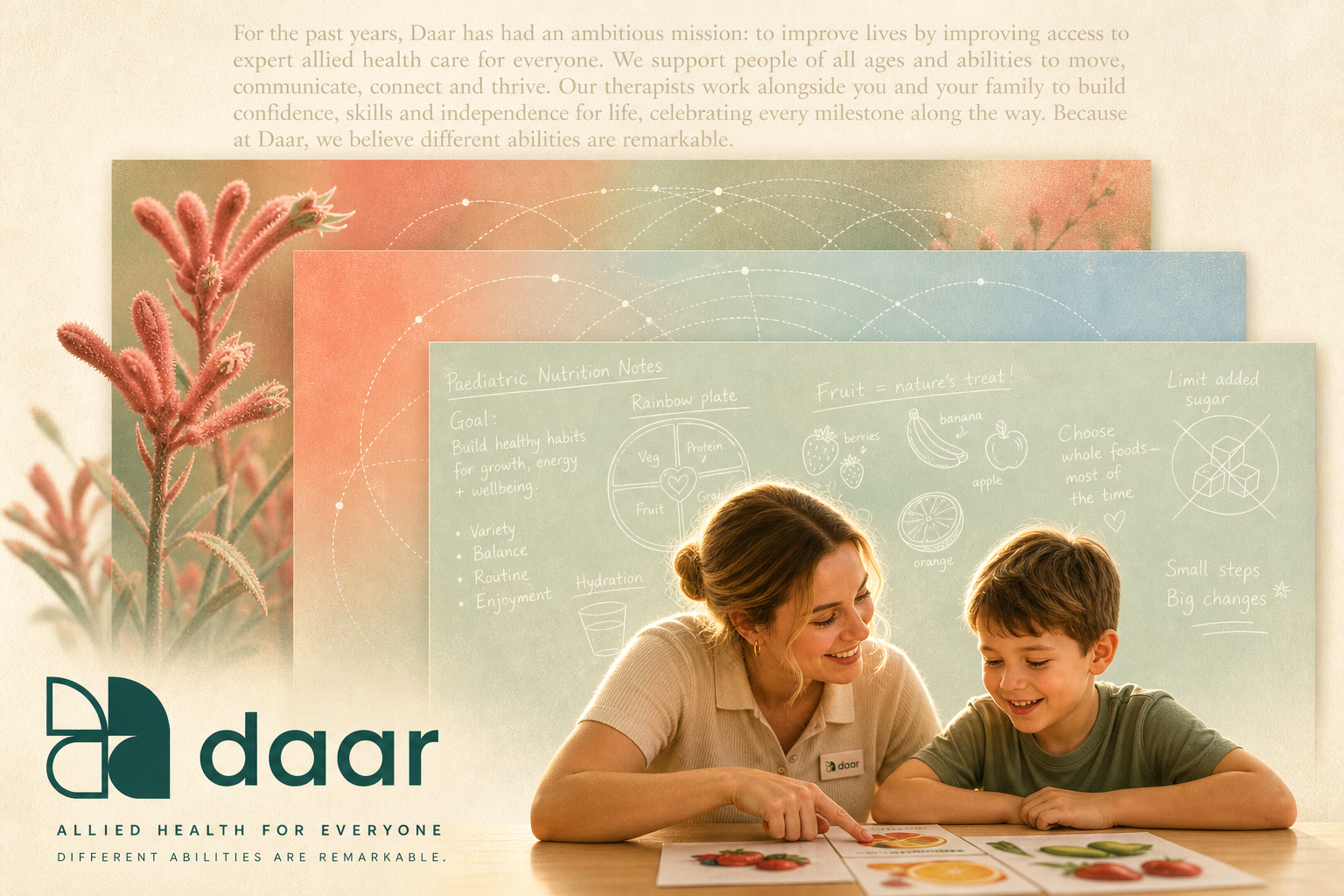
Keep food simple. Aim to swap high-sugar choices for foods that provide steady energy and better nutrition. Choose naturally sweet options and build meals around fiber-rich foods.
Nutritious swaps include:
- Berries, bananas, peaches, or grapes instead of candy-filled desserts
- Oatmeal or shredded wheat at breakfast instead of sugary cereals
- Whole-grain bread or pancakes instead of low-fiber sweets
Focus on balance, not restriction. Research doesn’t link sucrose to hyperactivity in most children, nor does it show that artificial sweeteners like aspartame affect behaviour. Experts suggest limiting excess sugar to improve overall diet quality—not because one specific limit ensures calmer behaviour.
Conclusion
In summary, managing sugar intake is crucial for maintaining your child's emotional well-being and behaviour. By recognising the link between sugary foods and mood swings, you can effectively reduce tantrums and promote a more stable environment for your children. Implementing practical tips and nutritious substitutes can make a significant difference in their overall health and behaviour. It's all about making smarter choices that benefit your little ones and help them thrive.
If you're looking for more personalised guidance, don’t hesitate to reach out for a consultation or call daar at 02 9133 2500 with our nutrition experts.
Frequently Asked Questions
Does eating sugar really make children more hyperactive?
Research says sugar consumption does not reliably cause hyperactive behaviour in children. In many cases, expectancy plays a role. Adults may expect a behaviour change after sweets and notice it more. That placebo-like effect can strengthen the belief even when sugar is not the true cause.
Are changes in children’s attention or concentration linked to sugar intake?
Current evidence does not show that sugar consumption clearly harms the cognitive performance of children or directly causes attention deficit problems. Blood sugar levels may shift after refined sugar, but behaviour and focus are shaped by many factors, including sleep, age, interest, and the environment.
How can parents help manage sugar and ADHD symptoms in kids?
Parents can support children with attention deficit hyperactivity disorder by focusing on steady nutrition, regular meals, and fiber-rich foods. There is no strong evidence that sugar drives adhd symptoms or the development of adhd. If food additives seem to matter, discuss patterns with a health care provider.
.svg)




.svg)