
.png?width=48&height=48&name=Group%201%20(3).png)























13 August, 2026

Transforming Lives Through Positive Behaviour Support
Key Highlights
- Positive behaviour support helps people understand why behaviours of concern happen.
- A behaviour support practitioner builds practical plans around daily life and goals.
- Good support services focus on safer choices, new skills, and better routines.
- PBS aims to improve quality of life, not just stop challenging moments.
- It also works to reduce restrictive practices and protect dignity and choice.
- Children and adults can both benefit from personalised, consistent support.
Introduction
Positive behaviour support is a practical, person-centred approach to understanding challenging behaviours and creating better outcomes. It starts from a simple idea: behaviour has meaning, and when you understand the reason behind it, you can respond more helpfully. For children, young people, and adults, this approach can build new skills, reduce stress, and improve quality of life. Instead of blame or punishment, positive behaviour support focuses on support, safety, and steady progress.
Positive Behaviour Support in Australia
In Australia, positive behaviour support is widely used to help NDIS participants with complex behavioural needs live safer and more independent lives. It looks at the purpose behind a person’s behaviour and uses that understanding to shape better responses, routines, and learning opportunities.
Through the National Disability Insurance Scheme, support services can include assessment, planning, and coaching for families and support people. The goal is to reduce behaviours of concern by meeting unmet needs, teaching replacement skills, and making everyday environments more supportive.
The Role of NDIS in Positive Behaviour Support
The NDIS funds support tailored to eligible individuals, giving them choice and control. Positive behaviour support is typically funded under Improved Relationships or Behaviour Support, helping participants access specialist assistance for safety, skill-building, and daily participation.
A core element is the behaviour support plan. Practitioners assess needs, collaborate with participants and their networks, and develop a written plan with clear strategies. If restrictive practices are used, an Interim Behaviour Support Plan may be created first, followed by a comprehensive plan.
The NDIS Commission oversees restrictive practices to ensure behaviour support is safe, lawful, and person-centered, and works to improve access to these services nationwide.
Access to PBS Services Nationwide
If you are looking for behaviour support services, many providers offer support nationwide. Some services come to your home, school, work, or community setting, which makes strategies easier to use in real life. This can be especially helpful when behaviours of concern happen in familiar environments.
You can usually access support through NDIS-funded providers, referral forms, phone contact, email, or local service area pages. Some organisations also link behaviour support with other therapy services such as speech pathology, occupational therapy, physiotherapy, psychology, and early intervention. That can give you a broader team around the person.
|
Service access point |
What it may include |
|---|---|
|
Local practitioner area |
Home, school, or community visits |
|
NDIS provider enquiry |
Assessments and behaviour support services |
|
Support networks |
Guidance for family, carers, and support people |
|
Multidisciplinary therapy services |
Speech pathology, occupational therapy, psychology, and more |
Before starting, it helps to ask what locations are covered, what support people are involved, and how the provider works with your existing team.
Effective Strategies for Children and Adults
Effective positive behaviour support starts with understanding what the person is trying to communicate. For children and adults, many behaviours of concern are linked to unmet needs, stress, sensory issues, or difficulty expressing feelings. When that is clear, support becomes more useful.
Strong behaviour support strategies include teaching new skills, changing routines, adjusting the environment, and using practical tools that fit daily life. Because people of all ages learn differently, the best strategies are personalised, simple, and consistent. The next sections look at outcomes and the tools practitioners often use.
Evidence-Based Interventions and Outcomes
Positive behaviour support is an evidence-based approach focused on lasting change. Providers often use applied behaviour analysis within a person-centered framework to understand behaviour patterns, reduce harm, and promote safer communication and participation.
When strategies are tailored to individual needs, outcomes include improved communication, stronger relationships, and greater independence. Services regularly review progress to support continuous improvement and adjust strategies as needed.
Common outcomes:
- Fewer triggers and unsafe responses in daily settings
- Improved emotional regulation, communication, and social participation
- Reduced need for restrictive measures through proactive support
These results lead to meaningful improvements in everyday life.
Practical Tools Used by PBS Practitioners
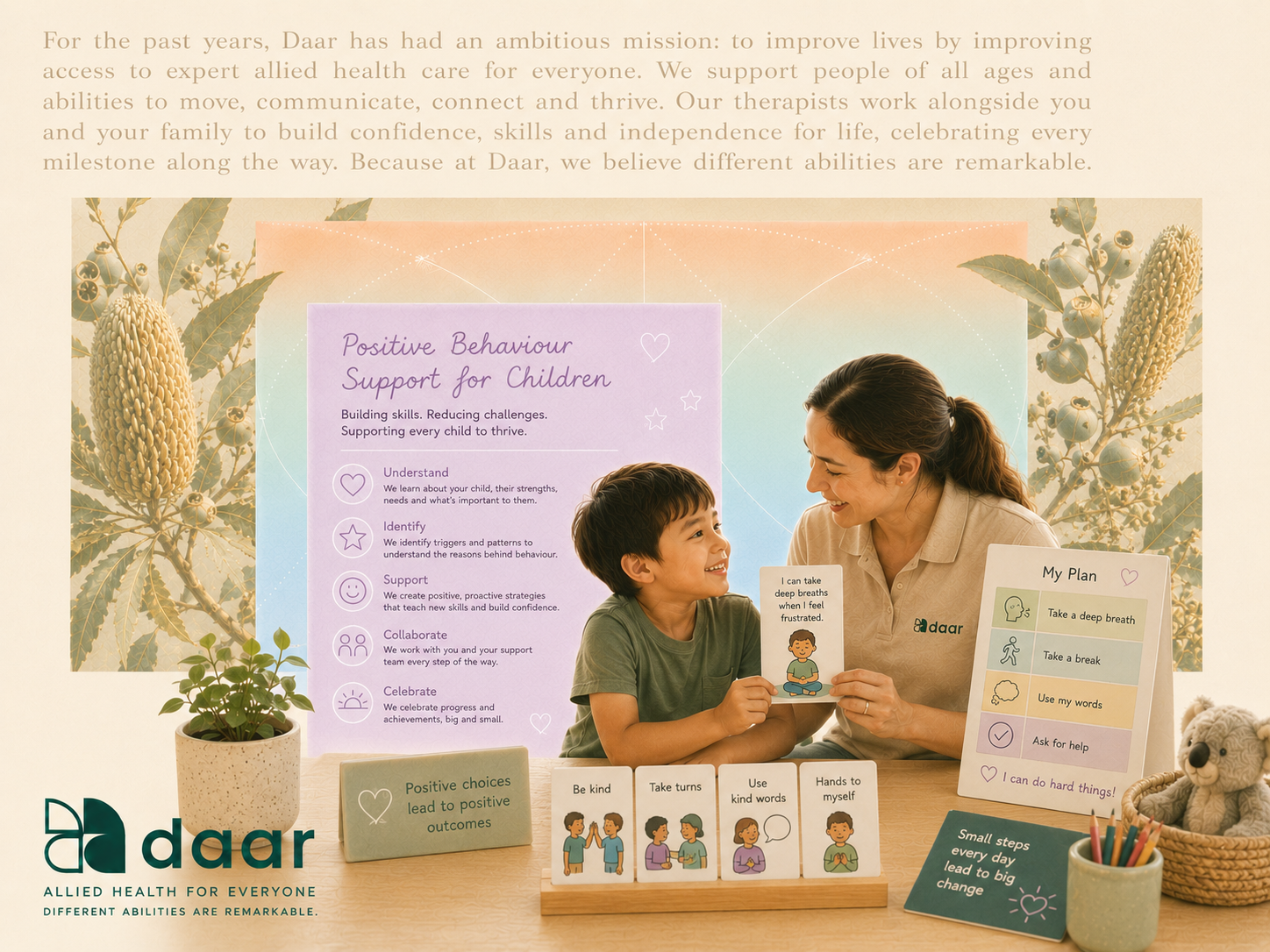
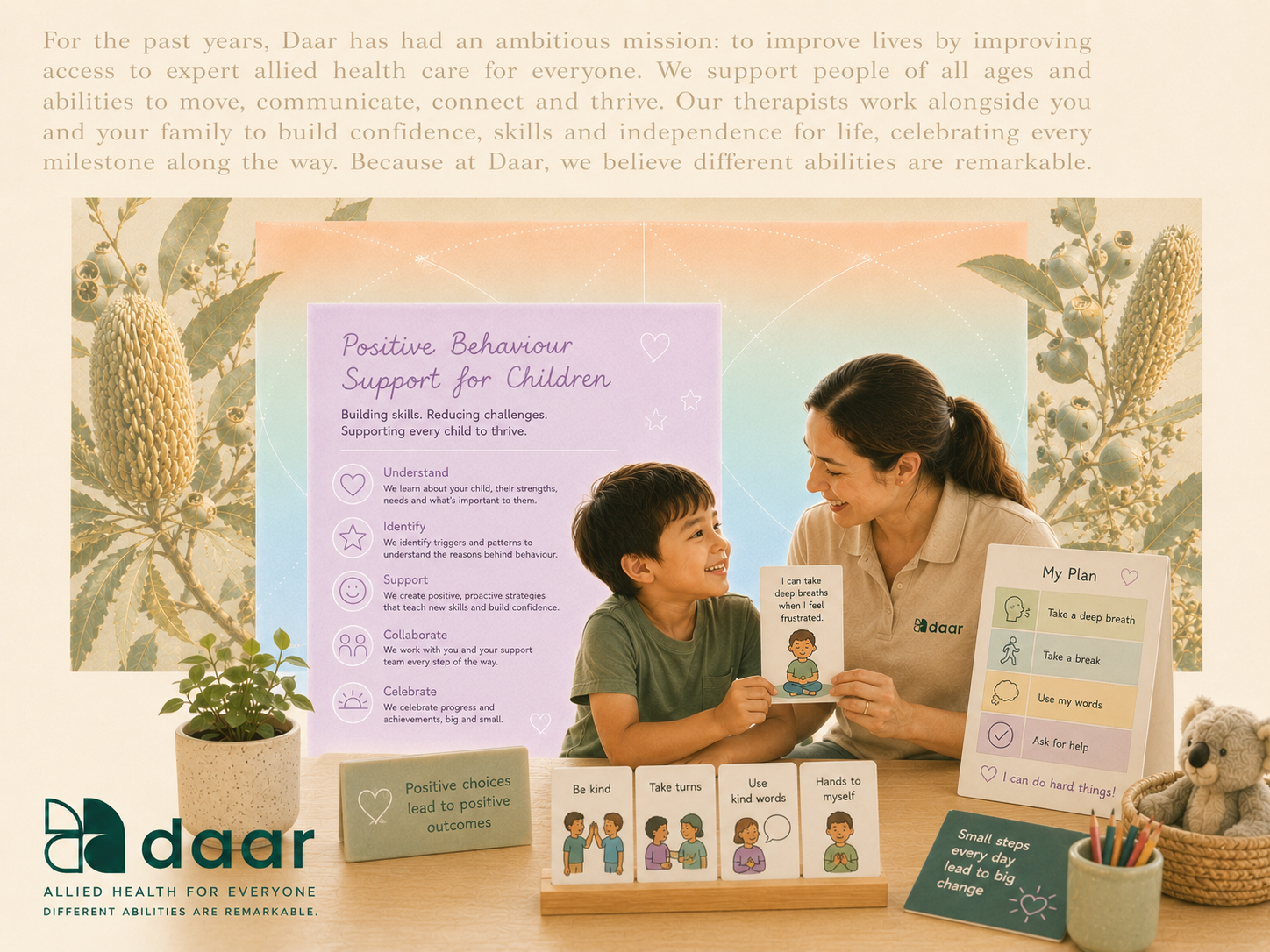
A behaviour support practitioner uses practical tools to understand a person’s behaviour and guide those around them. A key tool is the functional behaviour assessment, which identifies what happens before, during, and after concerning behaviours, as well as what the person may be communicating.
This information informs a behaviour support plan with clear steps for support workers, family, school staff, and others. The plan may include safer responses, routine adjustments, and strategies to build communication skills over time.
Practitioners often have backgrounds in social work, occupational therapy, psychology, mental health, developmental education, or related disability fields. Common tools are:
- Functional behaviour assessments
- Personalised behaviour support plans
- Coaching for support workers and families
These approaches help teams stay consistent and focused on meaningful progress.
Where can I find positive behaviour support services in Australia?
You can find support services through NDIS providers that offer behaviour support nationwide, including home, school, and community-based help. NDIS participants can also ask their provider, coordinator, or existing support networks about local options. Many services sit alongside psychology, speech pathology, and occupational therapy.
Conclusion
In conclusion, Positive Behaviour Support (PBS) has the potential to transform lives by fostering an environment where individuals, both children and adults, can thrive. By understanding the importance of evidence-based interventions and the role of practitioners, we can better navigate the services available across Australia. PBS not only enhances the quality of life for individuals with challenging behaviours but also empowers families and communities to support their development effectively.
If you're interested in learning more about how PBS can benefit you or your loved ones, feel free to reach out for a consultation or call daar at 02 9133 2500. Your journey towards a more positive and supportive environment starts now!
Frequently Asked Questions
Understanding positive behaviour support can raise many questions. Common queries often include how a behaviour support plan is developed and the role of support practitioners in addressing behaviours of concern. Many wonder about the effectiveness of early intervention in improving an individual’s quality of life. It's also important to clarify the distinction between positive behaviour strategies and restrictive practices. Regular communication among family members and support networks enhances the effectiveness of these approaches, making it easier to meet the unique needs of ndis participants.
What does a positive behaviour support practitioner do?
A positive behaviour support practitioner assesses behaviours of concern, works with support people, and creates practical plans to teach safer alternatives. Many support practitioners come from fields like social work or allied health. Their goal is to improve quality of life through strategies that fit the person’s daily routine and needs.
Are there evidence-based outcomes for PBS interventions?
Yes. Positive behaviour support is an evidence-based intervention that can improve communication, emotional regulation, participation, and safety. Good behaviour support strategies also help reduce triggers and lower the need for restrictive responses. The strongest outcomes usually come from personalised plans, teamwork, and regular review.
.svg)




.svg)