
.png?width=48&height=48&name=Group%201%20(3).png)























18 August, 2026

Managing Child Anger & Misbehaviour with Positive Discipline
Key Highlights
- Positive discipline helps you guide anger management without fear or punishment.
- Many behaviour problems start when a child struggles with emotional regulation.
- Your child’s anger is often a form of communication, not just defiance.
- Calm responses, clear limits, and positive behaviour praise can reduce blowups.
- Parent training can teach effective strategies for handling aggressive behaviour.
- Teaching coping skills early supports stronger emotional regulation and lasting positive behaviour.
Introduction
Child anger can feel overwhelming, especially when emotional outbursts disrupt your home. Still, anger is part of child development, and how you respond can shape your child’s mental health, anger management, and future positive behaviour. Instead of focusing only on stopping the moment, it helps to teach skills. When you stay calm, set limits, and guide repair, you give your child better ways to handle frustration. That starts with understanding what anger is really telling you.
Emotional Development in Children
Children are still learning emotional regulation. Big emotions can appear as yelling, refusing, hitting, or crying, especially when a child lacks language, impulse control, or problem-solving skills. In many cases, the behaviour is not planned. It is a sign that your child’s emotions feel bigger than their current coping tools.
You can often understand misbehaviour by looking at triggers. Homework, bedtime, hunger, too much noise, sudden change, screen time limits, or feeling misunderstood can all affect good behaviour. Once you notice patterns, you can build emotional intelligence and prepare for hard moments.
How Kids Learn to Express Emotions
Young children do not arrive with strong emotional regulation. They learn it through daily experiences with you and other adults. When they feel frustrated, powerless, tired, or overstimulated, emotional outbursts can happen because they do not yet have the words or control to express what is wrong.
Sometimes the trigger is easy to spot. A child may blow up when asked to stop video games, start homework, go to bed, or leave a fun activity. Other times, it may be hidden, like hunger, anxiety, sensory discomfort, or a task that feels too hard.
Your own behaviour matters here. Children watch how you react to stress, conflict, and disappointment. When you stay steady and become a good example, you help them learn better ways to express anger over time.
The Link Between Emotional Regulation and Behaviour
A child who lashes out is often showing weak emotional regulation, not simply choosing bad behaviour. Many behaviour problems happen when feelings rise fast, and thinking skills fall away. That is why anger can look sudden, even when stress has been building for a while.
It helps to see misbehaviour as a form of communication. Your child may be saying, “This is too hard,” “I feel rushed,” or “I do not know what to do.” Looking beneath the action helps you respond with teaching instead of only punishment.
Over time, emotion regulation strategies support more appropriate behaviour. Naming feelings, reducing pressure, offering simple choices, and solving problems later can all help. In the next section, you will see how to use these ideas during the hardest moments.
Practical Strategies for Managing Angry Outbursts
When your child explodes, your first job is safety and calm. Good anger management starts with steady adult behaviour. Yelling, arguing, or giving in can feed the moment, while calm limits help your child regain control.
Simple behaviour management strategies work best when they are consistent. Reduce negative attention during minor nonviolent tantrums, protect everyone during aggressive moments, and praise positive behaviour once your child settles. These steps also build impulse control, which makes later outbursts less likely.
Responding Calmly in the Heat of the Moment
In the middle of a blowup, your child needs a calm adult more than a perfect speech. Anger management begins with control of your own emotions. If you match your child’s intensity, disruptive behaviour often gets worse. A steady voice and simple words work better.
Try these steps in the moment:
- Take deep breaths before you respond.
- Use a calm, low voice with short directions.
- Move dangerous objects away if safety is a concern.
- Do not give in just to stop the screaming.
- Step back briefly if an older child needs space and you need safety.
Many parents make the mistake of yelling, lecturing, or arguing during the peak of anger. Those reactions often increase distress. Once your child is calm, you can talk, reconnect, and teach what to do next time.
Setting Boundaries with Empathy
Children need warmth, but they also need structure. When emotions are high, you can be kind and firm at the same time. That means naming the feeling while holding clear expectations about safety and respectful conduct.
Useful ways to do this include:
- State the limit simply: “You can be mad, but you cannot hit.”
- Offer a controlled choice: “Do you want to walk with me or by yourself?”
- Prepare ahead: give time warnings before transitions.
- Break hard tasks into one-step directions.
Kids will test limits, especially during stressful routines like bedtime or homework. That does not mean your plan is failing. Consistent limits, followed by positive reinforcement for good behaviour and repair, teach more appropriate behaviour without harsh discipline.
Teaching Healthy Anger Management Skills
Children need direct teaching, not just correction. Healthy anger management skills grow when you coach feelings, show coping tools, and notice effort. Positive reinforcement is especially helpful when your child tries to use words, calms down, or repairs a problem after conflict.
For some families, extra support is needed. Parent training can teach you how to respond more effectively, and structured programs may help severe cases. In extreme situations, settings such as day treatment may be part of a broader plan. Before that point, start with daily modeling and simple tools.
Modeling Coping Mechanisms for Children
Children learn a great deal through modeling. If you want your child to pause, breathe, and use words, they need to see you do the same. A good example teaches far more than a lecture during a meltdown.
You can show coping mechanisms in ordinary moments. Say, “I feel frustrated, so I’m taking deep breaths,” or “I need a minute to calm down before we talk.” This helps children connect feelings with action and shows that strong emotions can be managed safely.
If your own emotions are getting in the way, support matters. Parent management training and similar parent training approaches can help you build calmer habits, stay consistent, and improve how you respond to your child’s behaviour. That can make a big difference for the whole family.
Tools and Techniques for Children to Self-Regulate
Self-regulation improves when children practice tools before they are upset. During calm times, teach simple actions they can use later. Young children often need repeated practice and adult support before the tools become habits.
You might create a calm spot with soft items, coloring materials, or fidget tools. Physical activity can also help release tension. The goal is not to erase feelings. It is to help your child calm down enough to choose positive behaviour.
|
Tool |
How it helps |
|---|---|
|
Deep breaths |
Slows the body and gives a child a simple first step during anger. |
|
Feelings words |
Builds emotional intelligence and helps a child explain the problem. |
|
Calm-down space |
Reduces pressure and gives a safe place to reset. |
|
Movement break |
Supports self-regulation by releasing built-up energy. |
|
Problem-solving talk later |
Helps prevent repeat blowups once the child is ready. |
Preventing Aggression and Recurrent Misbehaviour
Prevention often works better than reacting after the fact. Many behaviour problems follow predictable patterns, so watching for early signs can help you step in before aggressive behaviour starts. Tiredness, hunger, rushed transitions, and hard tasks are common pressure points.
You can lower unwanted behaviour by preparing your child, keeping rules simple, and giving positive feedback when things go well. These small actions strengthen positive behaviour and make daily conflict less intense. Next, let’s look at how your family environment shapes those outcomes.
Building a Positive Family Environment
A positive family environment gives children a sense of safety, predictability, and connection. That does not mean your home is calm every minute. It means adults work to stay steady, repair after conflict, and teach instead of shame.
Helpful habits include:
- Spend regular positive time together, even if it is brief.
- Use lots of praise for effort, repair, and small wins.
- Keep routines predictable around meals, sleep, and homework.
- Ask grandparents or other caregivers to follow the same calm limits.
- Let your own behaviour show respectful problem-solving.
Young children do best when the adults around them respond in similar ways. If caregivers stay consistent, children get clearer messages about good behaviour. If your anger is spilling over often, getting support can protect both your child and your relationship.
Encouraging Communication and Problem-Solving
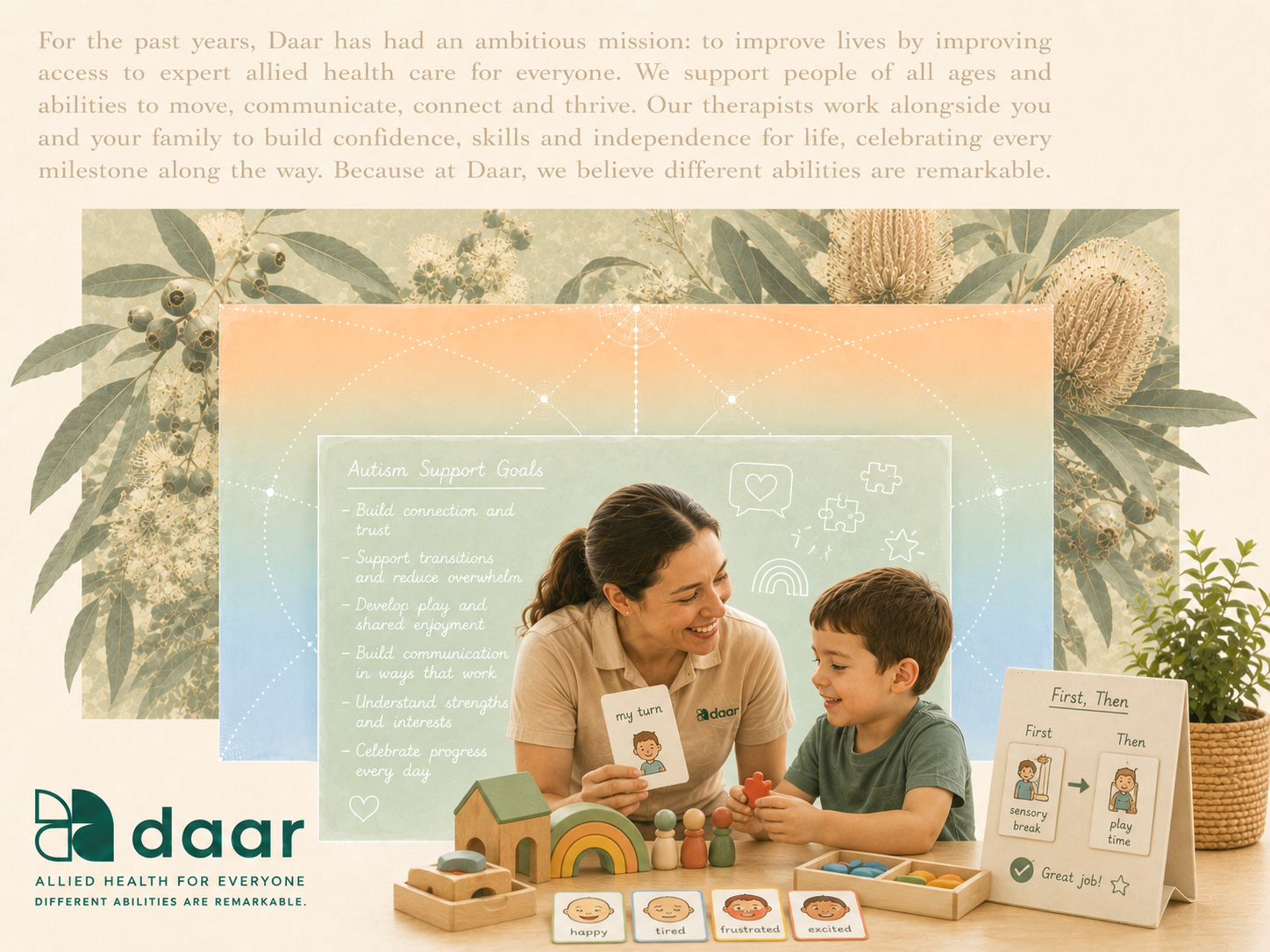
Children handle frustration better when they can talk through it. Strong communication helps you understand what sits under the behaviour, while problem-solving gives your child a path forward. These are learned skills, not traits children automatically have.
You can build them by:
- Asking simple questions after calm returns.
- Naming the feeling you noticed.
- Helping your child think of two possible solutions.
- Talking about how behaviour affects other people.
- Praising calm words and repair efforts.
This process supports emotional regulation and social skills. A child who can say, “I was mad because it felt unfair,” is already moving toward positive behaviour. Over time, these conversations reduce repeat conflict and make angry moments easier to manage.
Conclusion
In conclusion, managing child anger and misbehaviour through positive discipline requires patience, understanding, and consistent strategies. By fostering an environment that emphasises emotional development and healthy communication, you can equip your child with the tools they need to express their emotions constructively. Remember, every child is unique, and finding the right techniques may take time. However, the consistent application of these practices will lead to a more harmonious family dynamic and help your child learn valuable anger management skills.
If you’re eager to explore more personalised guidance, don’t hesitate to book a consultation or call daar at 02 9133 2500 with our experts to get started on this rewarding journey.
Frequently Asked Questions
How can I stay patient and calm when my child is angry?
Start with deep breaths and remind yourself that anger management begins with control of your own emotions. Use a low voice and short phrases. If staying calm feels hard, parent training can help you build steady responses that support more positive behaviour over time.
What should I do if positive discipline doesn’t work for my child?
If behaviour problems are intense, frequent, or affecting daily life, seek professional help. Parent management training can improve your response and your own behaviour patterns. Some children may also have underlying mental health problems, anxiety, ADHD, learning issues, or sensory needs that need evaluation.
What are some effective techniques for managing a child's anger without resorting to punishment?
Use positive discipline tools such as deep breaths, calm limits, simple choices, and teaching problem-solving later. Praise any safe effort to use words or recover. Positive reinforcement works better when you also manage your own emotions and stay consistent during hard moments.
.svg)




.svg)