
.png?width=48&height=48&name=Group%201%20(3).png)























5 August, 2026

How Sugar Affects Child Behaviour: Tips for Parents
Key Highlights
- Sugary foods can cause quick shifts in energy that may affect children’s behaviour for a short time.
- Too much sugar, especially added sugar, may be linked with mood swings, irritability, and poor focus.
- Research does not clearly prove sugar causes hyperactivity, though many parents notice changes after excess sugar.
- Some children seem more sensitive than others to sugary snacks and drinks.
- Reading labels helps you spot hidden sugars and manage daily intake.
- Small food swaps can support steadier moods and better routines.
Introduction
Many parents wonder whether sugary foods affect how their child behaves. It is a fair question, especially when behaviour seems different after sweets, fruit juice, or birthday treats. While sugar is often discussed in connection with weight gain and tooth decay, its place in a child’s diet can also affect mood, focus, and energy. Research on hyperactivity disorder and sugar is mixed, but understanding these patterns can help you make more informed choices at home.
Short-Term Effects of Sugar on Child Behaviour
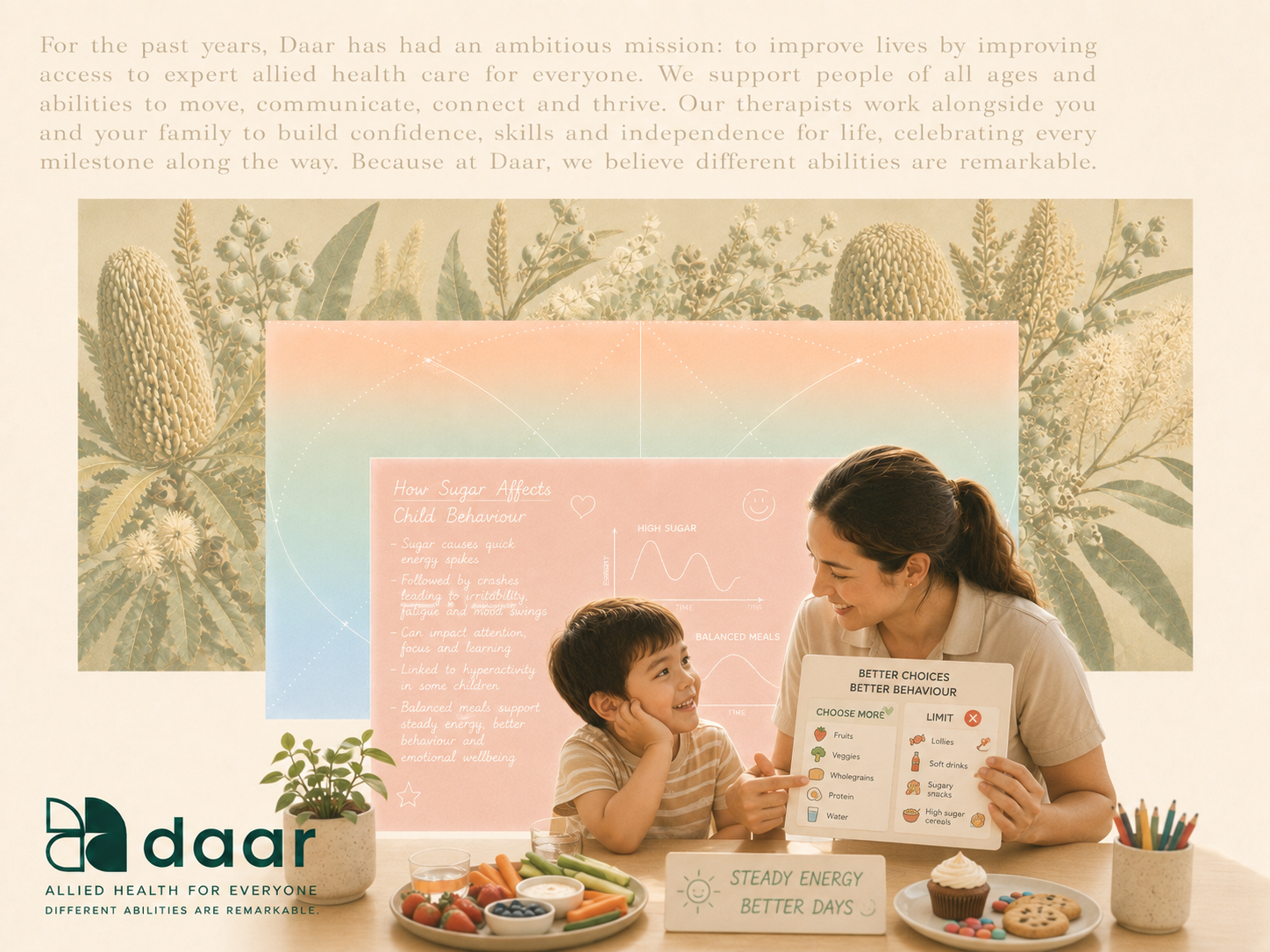
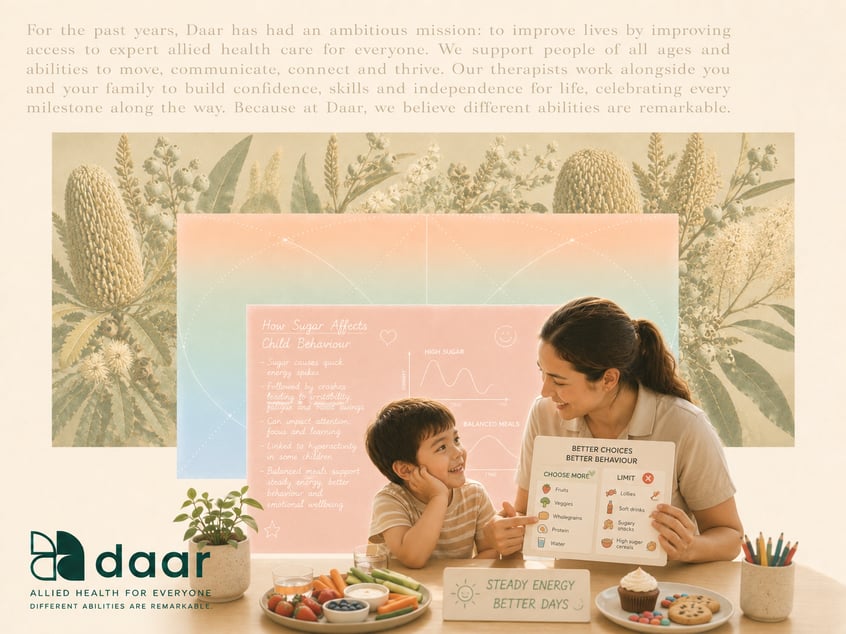
In the short term, high sugar intake can lead to quick changes in activity levels because blood sugar rises fast and then drops. That shift may leave your child energetic at first, then tired, cranky, or less focused soon after.
Science does not clearly show that sugar directly causes hyperactivity in children. Still, many parents notice mood swings, restlessness, or dips in children's cognitive performance after sweets. The next sections break down the most common changes you may see.
Changes in Energy Levels and Activity
When your child eats sugary foods, the body absorbs that sugar quickly. This can create rapid spikes in blood sugar levels, which often feel like a sudden burst of energy. You might notice louder play, more movement, or a short period of excitement right after eating.
Not every child reacts the same way, but changing energy levels can shape children’s behaviour for a while. Some seem extra active, while others become scattered or have trouble settling into homework, meals, or bedtime routines. The setting matters too. Birthday parties and other exciting events can make this common association seem even stronger.
After the quick high, a drop may follow. That crash can look like tiredness, low patience, or a strong craving for more sweet foods. If you keep seeing the same pattern, it may help to reduce large servings of sugary snacks and drinks.
Mood Swings and Irritability After Eating Sugar
Sugar can affect more than physical energy. After a sweet snack, some children seem cheerful for a short time, then become upset, frustrated, or easily overwhelmed. These mood swings may follow the same rise and fall seen in blood sugar.
For some families, irritability is the biggest clue. A calm child may become touchy, impatient, or more emotional than usual. This does not mean sugar causes a mental health condition or hyperactivity disorder, but it can add stress to emotional health, especially in children who already struggle with regulation.
Sensitivity varies from child to child. Young children, and those who already have trouble with big feelings, may react more strongly to sweet foods. Watching timing, portions, and patterns can help you see whether sugar is playing a role.
Behavioural Signs Linked to Excessive Sugar Intake
When children have too much sugar on a regular basis, the signs may go beyond a quick energy burst. You may notice inattentiveness, short tempers, or stronger emotional responses during the day.
Excess sugar does not affect every child in the same way, and it is not the only reason for behaviour shifts. Even so, repeated patterns after sweets can offer useful clues. The next two sections explain what these signs can look like and how to track them in daily life.
Inattentiveness, Aggression, and Emotional Responses
Some children seem less able to focus after having a lot of sweet food or sugary drinks. Inattentiveness may show up as drifting during classwork, jumping between activities, or struggling to complete simple tasks. A fast rise and fall in energy can make steady concentration harder.
In other cases, parents notice irritability or even aggression. This might look like arguing with siblings, yelling more easily, or reacting strongly to small frustrations. These changes can place pressure on emotional health, especially if they happen often.
Children with existing attention or regulation challenges may appear more sensitive. Sugar does not cause ADHD symptoms or attention deficit hyperactivity disorder, based on current evidence, but it may make restlessness, poor focus, or sleep-related struggles stand out more. That is why watching patterns matters.
Recognising Patterns Following Sugary Snacks
A simple way to understand your child’s response is to watch what happens after sugary treats. You do not need to track every bite. Just notice whether certain foods, drinks, or times of day seem connected to behavioural changes.
Start by looking beyond obvious desserts. Hidden sugars can appear in cereals, pasta sauces, granola bars, and drinks that seem healthy. Food labels can reveal ingredients such as corn syrup, cane sugar, maltose, and other types of sugars that raise sugar intake without much warning.
You may want to watch for:
- bursts of energy followed by tiredness
- more irritability after snacks or fruit juice
- trouble focusing after sweet breakfast foods
- stronger reactions after sugary drinks
- repeat patterns after the same packaged foods
Safe Sugar Guidelines for Australian Children
Health guidance gives parents a useful starting point for safe sugar intake. For children’s health, experts advise that kids ages 2 to 18 should have less than 25 grams, or about 6 teaspoons, of added sugar per day. Children under 2 should avoid added sugar.
These recommended daily limits are meant to support better habits now and lower future health risks linked with a child’s sugar intake. Keeping daily amounts in check may also help reduce repeated energy swings and support steadier routines.
Recommended Daily Limits by Age Group
Knowing the daily target makes shopping and meal planning easier. The clearest guidance in the compiled information is that children ages 2 to 18 should stay under 25 grams of added sugar each day, while children under 2 should avoid it. Health organizations also advise keeping free sugars below 10% of total energy intake.
Here is a simple text table to summarize those recommended daily limits by years of age:
|
Age group |
Recommended amount of sugar |
|---|---|
|
Under 2 years of age |
Avoid added sugar |
|
2 to 18 years of age |
Less than 25 grams per day, about 6 teaspoons |
|
General dietary guidance |
Keep free sugars under 10% of total energy intake |
Over time, staying within these limits may support overall health and lower the risk of unhealthy weight gain, insulin resistance, and serious conditions such as heart disease or fatty liver disease. It can also help prevent sugar-heavy habits from replacing whole foods in your child’s diet.
How to Interpret Labels and Identify Artificial Sweeteners
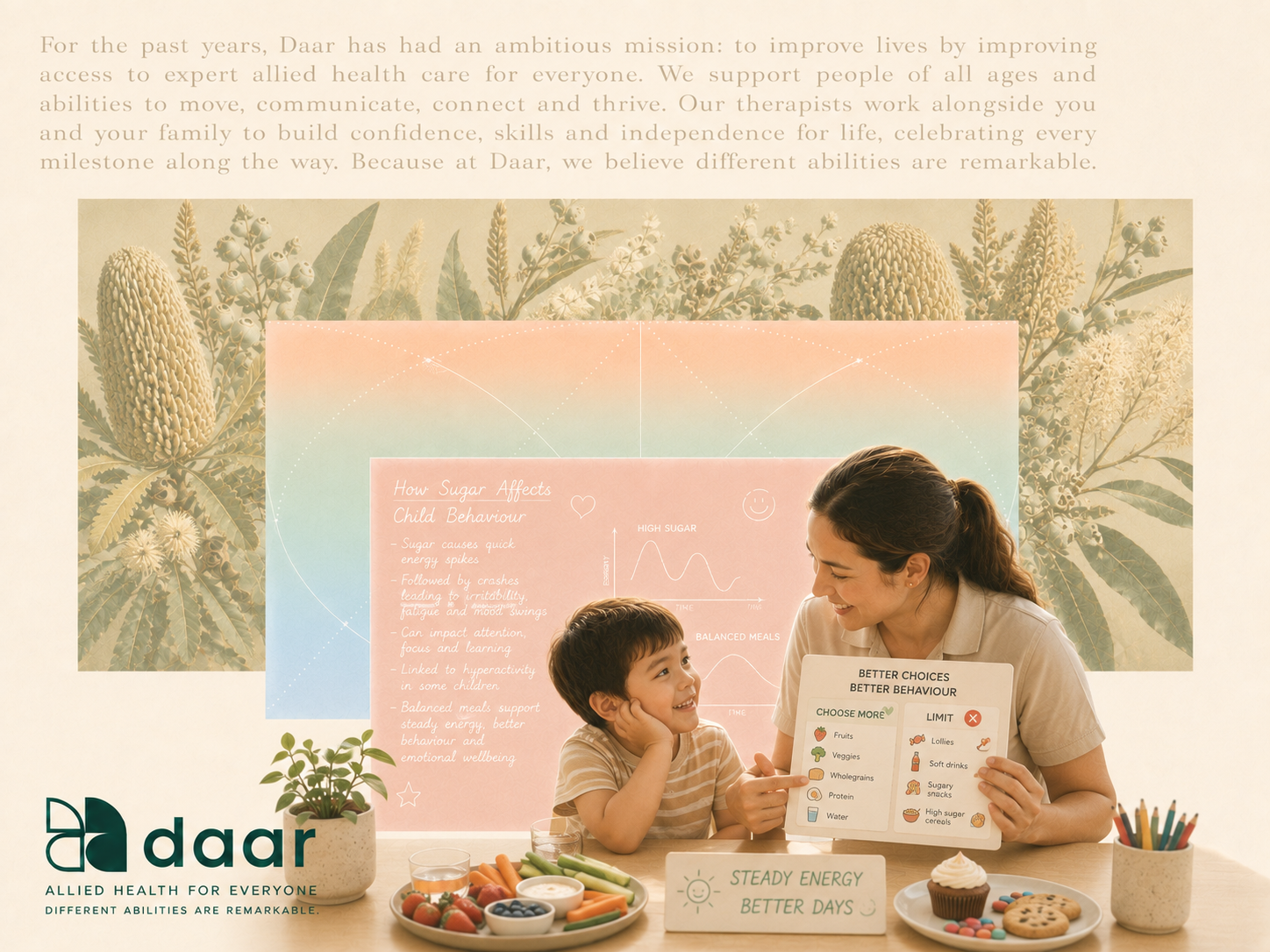
Packaged foods can make sugar hard to spot. That is why food labels matter. Reading the ingredient list helps you catch hidden sugars in items like cereals, sauces, yogurt, and snack bars. The goal is not perfection. It is making informed choices more often.
Look closely for different names for added sugar. Common examples in the compiled information include corn syrup, cane sugar, sucrose, high-fructose corn syrup, and maltose. Even foods marketed as healthy can contain a surprising amount of sweetness.
Use these quick label checks:
- compare brands and choose the lower added sugar option
- watch for hidden sugars in granola bars, cereal, and fruit-flavored snacks
- remember that artificial sweeteners are also best limited for children
- pick simpler foods with fewer sweetening ingredients when possible
Conclusion
In summary, understanding how sugar affects your child's behaviour is crucial for fostering a healthy environment. From short-term energy spikes to longer-lasting mood swings, the impact of sugar cannot be overlooked. By establishing safe sugar guidelines and being vigilant about food labels, you can help manage your child's intake effectively. It's important to recognise the behavioural signs linked to excessive sugar consumption and create strategies that promote healthier choices. Remember, a balanced diet not only supports physical health but also contributes positively to emotional well-being.
If you have any further questions or need personalised advice, feel free to reach out for a consultation or call daar at 02 9133 2500!
Frequently Asked Questions
Do artificial sweeteners affect children’s behaviour like sugar does?
Artificial sweeteners do not work exactly like regular sugar intake because they do not create the same blood sugar rise. Still, guidance suggests limiting artificial sweeteners for children rather than relying on them. The focus should stay on reducing added sugar overall and supporting steady children’s behaviour and mental health.
What are some early signs that my child is consuming too much sugar?
Early signs of too much sugar can include changing activity levels, mood swings, irritability, and inattentiveness after meals or snacks. Some children also seem tired after a short burst of energy. If you notice the same pattern after sweet foods or drinks, it may be time to review daily choices.
Are there long-term behavioural impacts from regular sugar consumption in kids?
Regular sugar consumption is more clearly linked with overall health risks than with one specific long-term behaviour outcome. Still, frequent highs and crashes may strain emotional health, sleep, and focus, which can affect academic performance and the cognitive performance of children over time if a child’s diet stays unbalanced.
.svg)




.svg)