
.png?width=48&height=48&name=Group%201%20(3).png)























29 September, 2026

Exploring How Effective is Telehealth Behaviour Support

Key Highlights
- Telehealth behaviour support helps families address autism spectrum disorder in the home where daily challenges actually happen.
- It can produce positive outcomes by coaching parents during real routines, not only during clinic-based therapy sessions.
- Remote observation often gives a clearer picture of triggers, patterns, and support needs.
- Families in rural areas can access skilled practitioners without long travel times.
- Telehealth behaviour support often shifts care from weekly appointments to practical support used every day.
- It can also strengthen caregiver confidence and consistency.
Introduction
Telehealth services, including ABA therapy, are changing how families access behaviour support for autism spectrum disorder. Instead of relying only on clinic visits, you can receive guidance in your own home, where routines, stress points, and positive behaviour supports are easier to see in real life. That matters because good health services should work where your child lives, learns, and communicates. For many families, telehealth is not just convenient. It can be a practical way to build skills, improve support, and create steadier progress.
Understanding Telehealth Behaviour Support for Autism
Telehealth behaviour support gives families access to behaviour therapy provided by licensed speech therapists without needing to attend every session in person. For many children with autism spectrum disorder, support is more useful when it happens in the spaces where challenges already occur.
In practice, remote care through telehealth can be highly effective for positive behaviour support because it focuses on real routines, real triggers, and individual needs. Compared with in-person sessions, it often provides more accurate observation at home and stronger coaching for caregivers. To see why, it helps to look at what telehealth includes and how it is delivered.
What Is Telehealth Behaviour Support?
Telehealth behaviour support is a remote way of delivering telehealth services to families who need help with daily challenges, emotional regulation, and skill building, including promoting physical activity. It uses video-based contact so a clinician can observe, guide, and adjust strategies in the home environment.
Rather than depending on a clinic room, this form of behaviour support looks at what is happening in everyday life from a young age. That can include mealtimes, transitions, sibling conflict, communication breakdowns, or distress linked to changes in routine. These are often the behaviour issues best addressed through telehealth because they happen naturally at home, not in an artificial setting.
The goal is to improve positive behaviour and reduce harm through a practical support plan. It can also support mental health and psychological health by lowering family stress and helping caregivers respond with clearer, more consistent strategies. Because the advice is tied to real situations, families often find it easier to use.
How Telehealth Services Are Delivered in Australia
Across Australia, telehealth services, including occupational therapy, are commonly delivered through secure online platforms that connect families with qualified practitioners. This model helps remove distance as a barrier, which is especially important for people living outside major cities.
For NDIS participants, telehealth has increased access to behaviour support by making therapy sessions available without long travel times or the need to rely only on nearby providers. Families in remote areas can connect with practitioners whose skills match their needs more closely.
Typical delivery may include:
- live video appointments for observation, coaching, and review
- remote guidance for parents, caregivers, and support workers
- ongoing updates to strategies based on what happens at home
This approach means support is not limited by postcode. It gives many families a better chance to receive timely, relevant help.
How Telehealth Behaviour Support Works in Practice
In day-to-day care, telehealth behaviour support usually happens through scheduled virtual sessions where the practitioner watches routines, listens to parent concerns, and offers guidance in real time. That makes therapy sessions feel more connected to actual family life.
One major benefit is that support can target daily living and communication skills related to child development where they matter most. Instead of practicing only in a clinic, families learn how to respond during meals, play, transitions, and stressful moments at home. The next sections break down the tools used and what a session often looks like.
Common Technologies and Platforms Used
Most providers use secure telehealth platforms for private video communication, enabling safe and consistent virtual sessions between families and clinicians at home.
Families typically use a tablet, phone, or laptop with a stable internet connection, placing the device in a room so practitioners can observe naturally—like a quiet observer. This setup supports both behaviour interventions and some mental health services.
Common tools include:
- Secure video platforms for live coaching
- Video calls for check-ins, reviews, and planning
- Screen sharing for support plans and resources
Practitioners often find telehealth observation more natural and effective for real-time caregiver coaching at home. While technology issues can pose challenges, many consider telehealth an effective approach for home-based support.
Steps in a Typical Telehealth Behaviour Support Session
A typical session often starts with a quick check-in. The practitioner asks what has been happening, what went well, and where stress showed up, particularly in relation to anxiety disorders. This helps focus the therapy sessions on the most pressing concerns from daily life.
Next, the clinician may observe a routine or discuss a recent incident to understand triggers and responses. From there, they adjust the support plan and coach the caregiver through small, practical steps. The aim is to build practical skills that can be used again and again, not just once during the call.
By the end, families usually leave with a clear action list. Sessions often upskill caregivers by showing exactly how to respond, prompt, or change the environment. Clients and family members commonly respond well because the advice feels immediate, relevant, and easier to apply in real situations.
Comparing Telehealth and In-Person Behaviour Support
Telehealth positive behaviour support and traditional face-to-face care both aim to improve outcomes, but they work differently. In-person visits can offer direct presence, while telehealth often gives clearer access to real home routines and family patterns.
The main limitation is not the model itself but how well it fits the family, the technology, and the goals. Some situations may be harder if observation is interrupted or connection quality is poor. Even so, many support practitioners find that a strong support team and therapeutic alliance can still be built remotely.
Key Differences in Approach and Engagement
The biggest difference is context. In-person therapy happens with the practitioner physically present, while virtual sessions place the clinician at a distance and the family in their usual setting. That shift changes what can be observed and how support is coached.
Telehealth therapy can be highly effective for delivering positive behaviour support because it captures routines as they happen and helps caregivers respond in the moment. In-person therapy may help with direct modeling, but remote support often gives a better view of natural triggers and family interaction.
|
Approach |
Main Features |
|---|---|
|
In-person therapy |
Direct presence, easier physical modeling, but the clinician may affect behaviour just by being there |
|
Virtual sessions |
Home-based observation, live coaching through video calls, and easier follow-through in real routines |
|
Family support |
Support workers and caregivers can use practical resources immediately in the same setting where issues happen |
Both options can work well. The best choice depends on your goals, your child’s needs, and what helps your family stay consistent.
Evaluating Effectiveness Across Different Age Groups
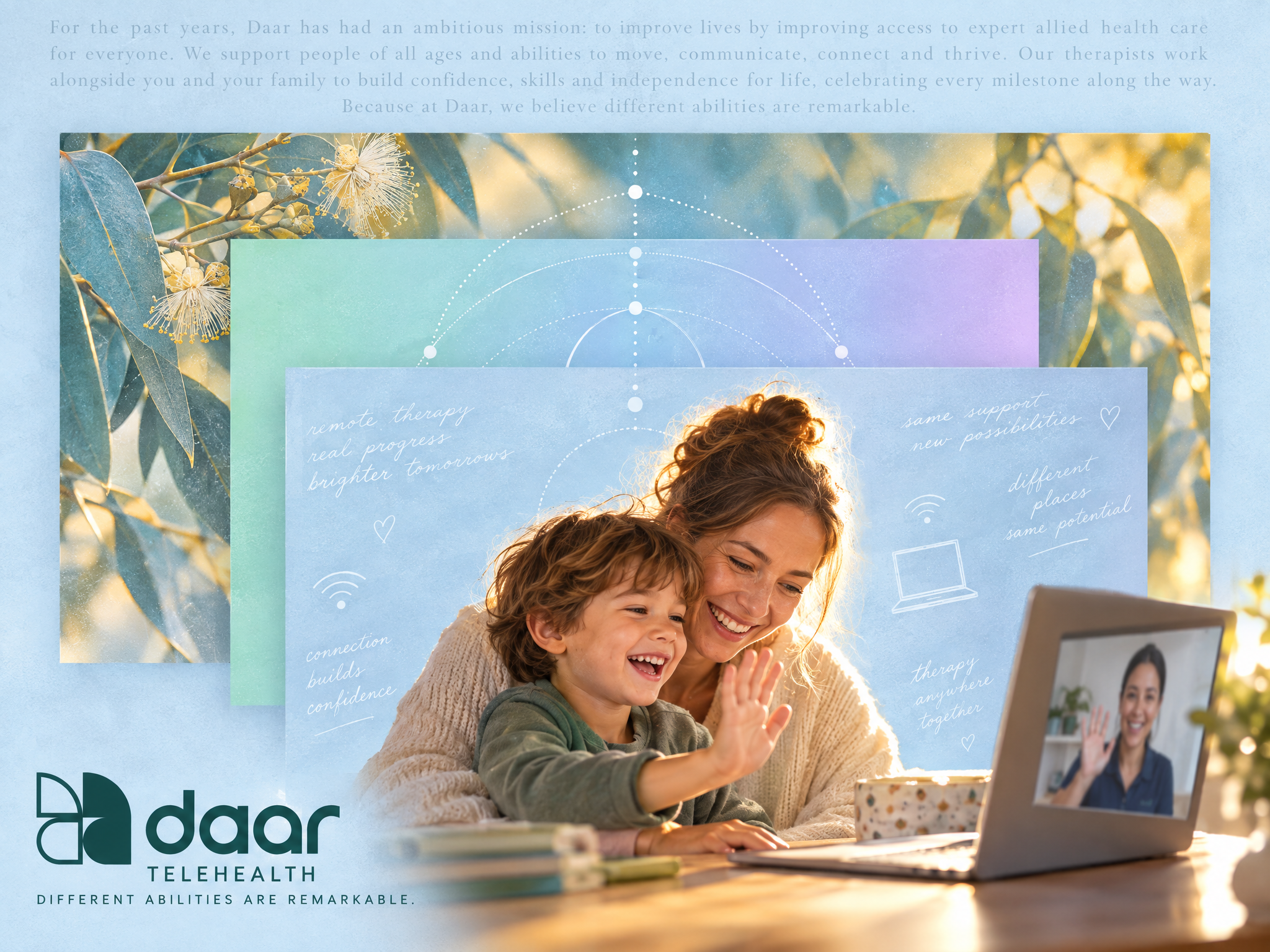
Telehealth supports all age groups by observing real-life situations and coaching involved adults. For young children, early intervention focuses on routines, communication, and caregiver responses at home.
For older children and youth, support addresses emotional regulation, independence, and mental health in daily life. Because telehealth takes place in familiar environments, it helps build skills that transfer to everyday routines.
Research shows telehealth is effective for people with disabilities when support happens where challenges occur. Connecting families with expert services remotely adds value. Related supports like speech therapy can also complement behaviour strategies to enhance progress.
Conclusion
In conclusion, telehealth behaviour support for autism represents a significant advancement in delivering effective and accessible care, particularly in developing social skills. With its innovative use of technology, families can connect with qualified practitioners regardless of their location, ensuring that children receive the support they need. The flexibility of telehealth allows for personalised sessions that adapt to individual needs, fostering better engagement and outcomes. As we continue to navigate the evolving landscape of healthcare, it's clear that telehealth provides a valuable alternative to traditional in-person services, particularly for those in remote areas.
If you’re interested in exploring how telehealth can support your family’s needs, don’t hesitate to reach out for a consultation or call daar at 02 9133 2500 today!
Frequently Asked Questions (FAQ)
Curious minds often wonder about the effectiveness of telehealth behaviour support for autism. Many ask how these virtual sessions compare to traditional face-to-face interactions. The answer lies in the tailored nature of telehealth services, designed to meet individual needs while providing flexibility for busy families. Plus, telehealth platforms allow for secure video connections, enhancing the therapeutic alliance between clients and support practitioners. With the right resources and training, telehealth can promote positive behaviour and emotional regulation, ensuring a quality experience for everyone involved.
Is telehealth behaviour support suitable for children with autism and complex behavioural needs?
Yes, telehealth behaviour support can suit children with autism spectrum disorder, including complex needs, when the approach is tailored to individual needs. It works especially well when family members are coached during real routines and early intervention support is built into home life rather than separated from it.
Can telehealth effectively deliver support in rural or remote Australian communities?
Yes, telehealth sessions can greatly improve access in rural areas and remote areas by connecting families with skilled support practitioners while highlighting the benefits of telehealth without long travel. That makes health care more reachable and helps families receive behaviour guidance that might otherwise be difficult to find close to home.
How do families and practitioners feel about using telehealth for behaviour support?
Many family members and practitioners value telehealth because therapy sessions connect directly to daily living. When a support plan is based on real routines, families often feel better equipped to respond. This practical focus can lead to positive outcomes and stronger confidence between appointments.
.svg)




.svg)